Freqently Asked Questions
How does drip septic system installation work?
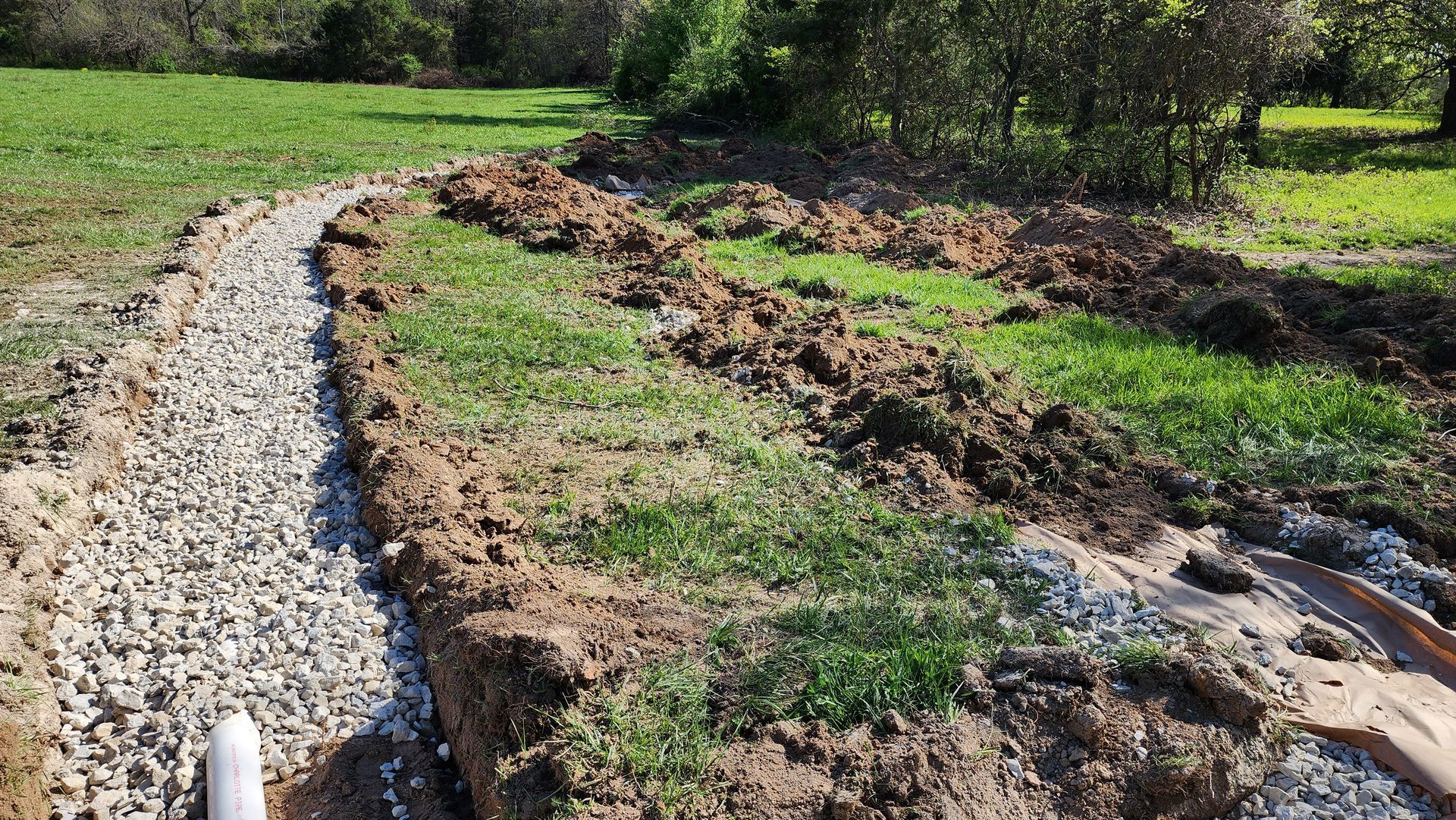
Drip septic installation begins with a site evaluation and percolation testing to assess soil conditions. Professional excavation creates space for the tank and custom drainage design ensures proper wastewater distribution. At Packwood Septic Excavation, we ensure compliance with local Republic, MO regulations throughout the process.When should you schedule septic tank pumping?
Most residential septic tanks need pumping every 3 to 5 years, depending on household size and water usage. Regular pumping removes accumulated solids that can clog the drain field and cause system failure. Scheduled maintenance programs help prevent unexpected backups and costly emergency repairs.What are the signs your septic drain field is failing?
Common signs include soggy or overly green patches in the yard, sewage odors near the drain field, and slow drains throughout the home. Advanced diagnostic tools can detect leaks and drainage issues before complete system failure. Early detection through routine inspections can save thousands in replacement costs.Why is percolation testing required for septic installation?
Percolation testing measures how quickly water absorbs into the soil, which determines proper drain field sizing and design. Local soil conditions in Republic and surrounding areas vary significantly, affecting system performance. This testing ensures your septic system is customized for your specific property and meets code requirements.What's included in a thorough septic system inspection?
A comprehensive inspection includes checking tank integrity, measuring sludge and scum levels, testing baffles and filters, and assessing drain field performance. At Packwood Septic Excavation, we also evaluate distribution lines and identify potential issues before they become emergencies. Performance assessments help extend system lifespan.Can you repair a cracked septic tank lid?
Yes, cracked lids can typically be replaced without excavating the entire tank. Damaged lids pose safety hazards and allow groundwater infiltration, which overloads the system. Professional lid replacement ensures proper sealing and prevents dangerous accidents or system stress.How do soil conditions affect septic systems in Missouri?
Missouri's clay-heavy soils in areas like Republic and Springfield can slow drainage, requiring larger or specialized drain fields. Percolation testing identifies absorption rates so systems can be properly sized. Custom drainage design accounts for local soil composition to ensure long-term functionality.What's the difference between septic pumping and maintenance?
Pumping removes solid waste from the tank, while maintenance includes inspections, performance assessments, and identifying potential repairs. Regular maintenance prevents costly failures by catching issues early. At Packwood Septic Excavation, we coordinate pumping as part of proactive maintenance programs.How long does drain field installation take?
Most residential drain field installations take 1 to 3 days, depending on property size and soil conditions. The process includes excavation, proper grading, distribution line placement, and backfilling. Specialized installation designed for local soil ensures optimal wastewater absorption and system longevity.What causes septic line replacements to be necessary?
Tree root intrusion, ground shifting, corrosion, and age-related deterioration commonly damage septic lines. Leaks and blockages in distribution lines reduce system efficiency and can contaminate surrounding soil. Advanced diagnostic tools identify problem areas, allowing targeted line replacement without full system overhaul.What's the biggest mistake homeowners make with septic systems?
Skipping regular inspections and pumping is the most common mistake, leading to preventable failures and expensive emergency repairs. Many homeowners wait until backups occur rather than scheduling proactive maintenance. At Packwood Septic Excavation, flexible scheduling makes it easy to stay on track.Do septic systems need site preparation before installation?
Yes, proper site preparation includes grading, trenching for distribution lines, and ensuring adequate access for excavation equipment. Foundation preparation and utility trenching may also be needed for new construction projects. Professional site preparation ensures the septic system functions correctly from day one.